Announcements
There were two birthdays last week. Stephanie Rose, wife of member Paul Rose, celebrated on Aug 19th. And member Antoine Gerritsen celebrated his birthday on Aug 20th.
Anniversaries include Honourary Member Ray Millard and wife Nan celebrating 62 years on Aug 17th. On August 20th Jim Kibble and his wife Penny celebrated 38 years together and the same day Everton Wilmot and Michele celebrated 26 years. This week, on Aug 24th, Brad Enns and wife Lesley will celebrate 8 years. And next Sunday, Aug 29th, Cathy and John Brothers will apparently celebrate 121 years together – except I think that may be the combined total for both of them. Congratulations to all of you on these important anniversaries.
Additionally we have two club anniversaries to celebrate. John Rose has been with us for 5 years on Aug 15th and on Aug 26th Honourary Member and Past President Paul Dietrich will be with Rotary for 30 years.
Best wishes to all of our members celebrating these special moments.
Paul P – Introduced the Speaker.
Sam Murray- Water First
Sam Murray is an enthusiastic fundraiser with over 4 years of experience in the field, specializing in third party fundraising and community engagement. She uses her creativity to make fundraising fun, and has built multiple programs from the ground up. Coming from an international development background, she is excited to focus on a local cause to raise funds for the important work that Water First does here in Canada.
Sam Murray’s talk:
Water First is a registered Canadian Charity. Rotarians have been supporting their work for more than ten years.
Strong Communities – Safe Water
Help Address water issues in indigenous communities.
Worked in Uganda as Tin Roof Mobile to do water projects.
Started working with indigenous communities in Canada 2013 and became exclusively indigenous in focus in 2016.
13.5 % of communities in Canada are under boil water advisories. Closer to 50% in Ontario.
What is not counted is that it is not consistent. Boil water advisories are on again - off again.
Water First works with 56 communities in Ontario, Quebec and Manitoba.
There are three primary programs: Drinking water Internships, Environmental Program and the Indigenous school Water Program
Drinking water Internships helps with personnel to run water treatment plants. Infrastructure is the responsibility of the federal government but not human resources. This helps address the shortfall with 15 months of paid training for indigenous youth to become certified water treatment plant operators. 90% of youth in the program get offered jobs. They are nearly done done second internship. The first was in Manitoulin Island and the second in Kenora area. The third us just underway. So where infrastructure exists, personnel can be made available to run water treatment plants.
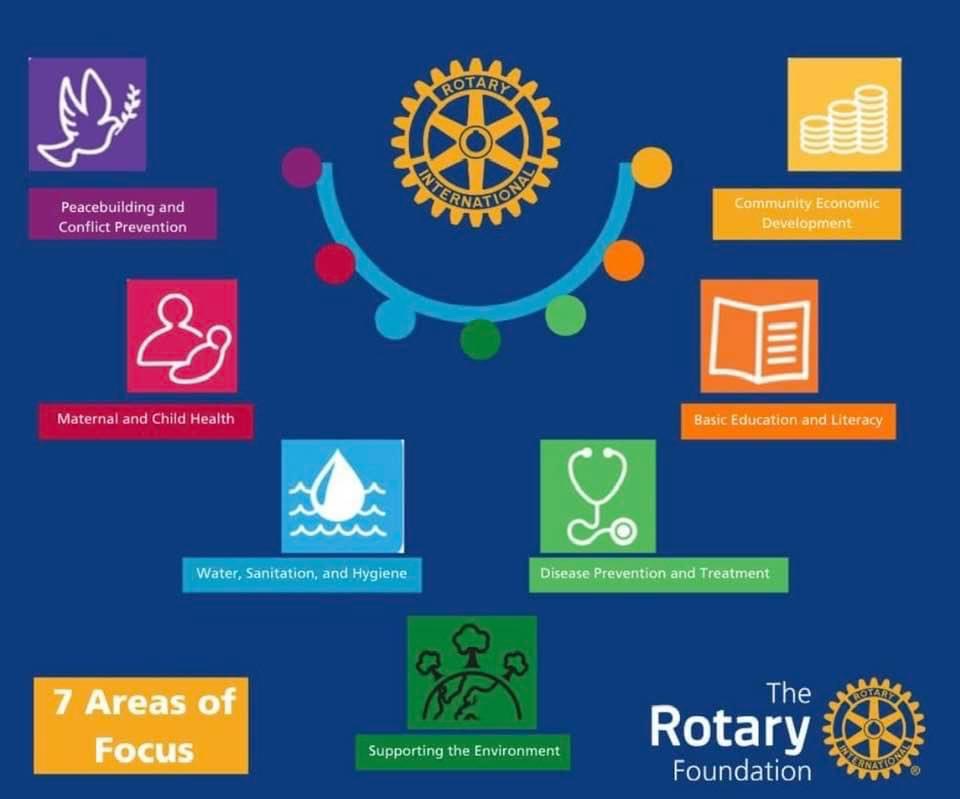
Guelph Rotary Club has submitted global grants for work in Canada and some Rotary Clubs in Africa have responded to support water projects in Canada.
The Environmental Program includes environmental restoration projects, baseline water quality and contaminant studies and more. Training for youth is not for a fixed amount of time but supports education in any program that support water in the environment. This could include fisheries and other conservation programs. Even adventure Tourism.
The program teaches youth how to be tour guides for an indigenous tourism company but will also work on cleaning up the lake in Labrador that is part of the previous fishing lodge project. Water quality tech and fish and wildlife certifications are a part of their training offerings.
The indigenous School Water Program – usually on reserves they hold experience based workshops with students at indigenous schools. They go out onto the land to work with the tools they have learned about in the program. Land stewardship and “What’s in your water?” are two of the workshops. Youth led habitat rehabilitation is a part of the program. This is often in the same communities as the internships and the interns from that program can come into the classroom to help the students with water science projects and even mentor them to some degree. Students on Manitoulin got to take a trip to the water treatment plant and learn about the processes involved. They also learned how to use water testing kits in their environment. The overall goal is to increase understanding of water quality issues and generate an interest in further education in water sciences.
The education is coupled or done in conjunction with local ecological knowledge. Water First consulted with the indigenous advisory council to ensure the projects are using local knowledge and wisdom in the programs.
Judy thanked the speaker.