|
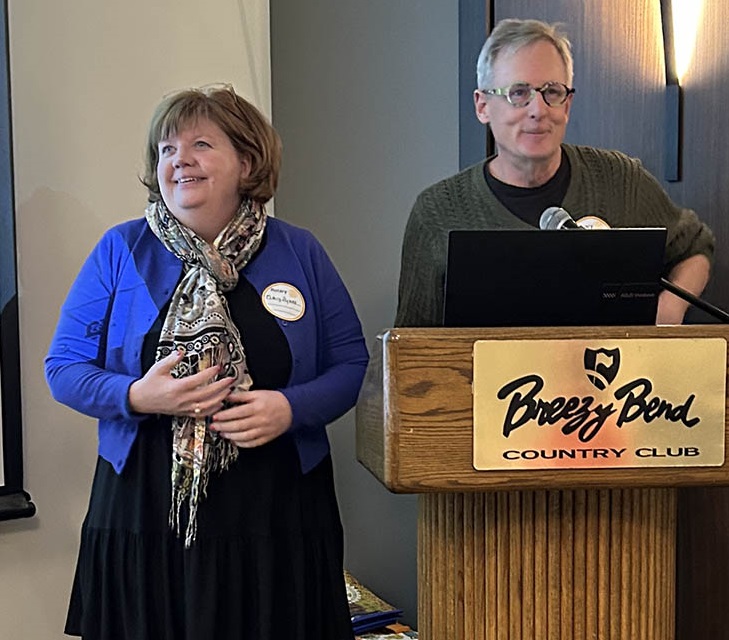 This evening we were joined by Mary Agnes Welch and Brian Pincott, speaking about the Westminster Housing Society. The Winnipeg Rotary Presidents Council are in discussion with the WHS about having a number of clubs get together to support their work. This evening we were joined by Mary Agnes Welch and Brian Pincott, speaking about the Westminster Housing Society. The Winnipeg Rotary Presidents Council are in discussion with the WHS about having a number of clubs get together to support their work.
Introduction Brian Pincott and Mary Agnes Welch, representing the Westminster Housing Society (WHS), addressed the Winnipeg Rotary Presidents Council to discuss the organization's role in providing affordable housing. The discussion focused on the history of WHS, its current initiatives, and potential partnerships with Rotary clubs to support its work. The History and Growth of Westminster Housing Society Westminster Housing Society was founded 30 years ago by a group dedicated to improving housing conditions in West Broadway. Initially, the organization began purchasing and refurbishing old houses to create rental spaces for low-income residents. Over the years, WHS has expanded its portfolio from a single property to 30 properties, providing 121 subsidized housing units across West Broadway and the Spence neighborhood. Recent Developments: The Good Street Project A significant milestone for WHS was the completion of a new four-storey apartment building on Broadway Avenue at Good Street. Opened in September, this development provides 21 units of subsidized housing, increasing the organization's capacity to support low-income individuals and families. Nearly all WHS units operate on a rent supplement model, ensuring affordability through provincial government subsidies, with rents ranging between $280 and $380 per month. Addressing Winnipeg’s Affordable Housing Crisis Winnipeg faces a deepening housing crisis, with a growing demand for affordable housing options. Many initiatives labeled as "affordable housing" still exceed the budget of the most vulnerable populations. WHS is committed to developing more deeply subsidized housing to meet the needs of individuals on welfare, small pensions, and disability support. Potential Collaboration with Rotary Recognizing the importance of community partnerships, WHS is exploring opportunities to collaborate with Rotary clubs. The organization envisions a phased partnership that begins with smaller projects, such as enhancing the curb appeal of existing properties through gardening and beautification efforts. A proposed "Get-the-Garden-Started" event in early June aims to engage Rotary members in hands-on activities, fostering community involvement and laying the groundwork for future collaborations. Long-Term Goals: Expansion and Infrastructure Improvements Beyond cosmetic improvements, WHS is planning for significant infrastructure upgrades. Many of its buildings are over 100 years old and require extensive repairs, including window replacements, insulation improvements, and accessibility enhancements. Additionally, WHS is considering new construction projects to expand the supply of deeply subsidized housing. Challenges in Affordable Housing Development One of the key challenges WHS faces is the definition of "affordable housing" used by policymakers. Current affordability guidelines, based on 80% of market rent, still place housing costs above what many low-income residents can afford. WHS advocates for a shift toward more socially focused housing policies that prioritize deeply subsidized rental options. Exploring Alternative Housing Models During the discussion, a question was raised about adopting a Habitat for Humanity-style model for WHS projects. However, WHS primarily serves tenants who are not in a position to transition into homeownership. Instead, WHS focuses on providing stable rental accommodations for individuals dealing with financial instability, mental health issues, and disabilities. The organization collaborates with social enterprise renovators, such as BUILD, to enhance housing conditions while providing job training opportunities. Tenant Stability and Support WHS tenants generally remain in their housing for extended periods, often four to five years or more. Contrary to traditional assumptions that affordable housing serves as a stepping stone to market housing, WHS has found that its tenants typically require long-term rental support. Ensuring financial stability for tenants is an ongoing challenge, with many falling into arrears due to difficulties in completing required subsidy paperwork. Future Plans and Immediate Priorities WHS is conducting a facility condition assessment to determine repair priorities for its aging properties. Energy efficiency improvements, accessibility enhancements, and preparing for extreme weather conditions are key areas of focus. The organization is also evaluating whether certain properties should be renovated or replaced with new multi-unit developments, leveraging recent zoning changes that allow for higher-density housing. Conclusion Westminster Housing Society remains committed to providing secure, affordable housing as a means of fostering stability and opportunity for Winnipeg’s most vulnerable residents. The organization is eager to deepen its collaboration with Rotary clubs, starting with community beautification efforts and potentially leading to larger-scale development projects. By working together, WHS and its partners can make a meaningful impact on the affordable housing landscape in Winnipeg. Charleswood Rotary thanks both Mary Agnes and Brian for taking time out of their busy schedules and keeping us all informed of the work that Westminster Housing Society does in our community by looking after those in need of social housing. Looking forward to hearing how the collaboration with the Rotary Clubs of Winnipeg work out. |

.png)